How to Use an Infrared Thermometer on an Overheating Car

RadiatorRepairHub
October 4, 2026
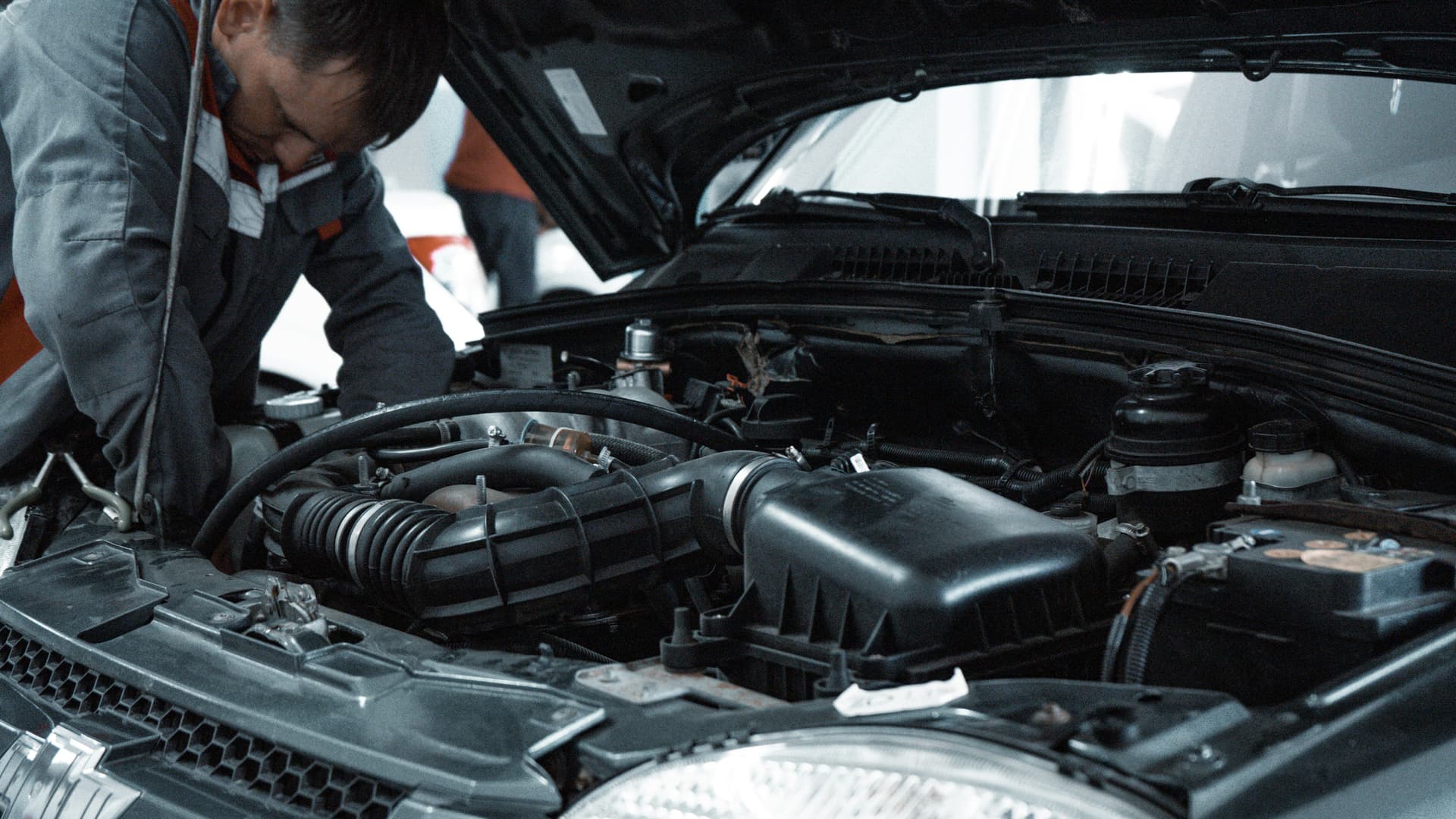
An infrared thermometer reads surface temperature from a short distance. On an overheating car, use it to compare one spot with another: the upper hose against the lower hose, or one side of the radiator against the other. One number on the display doesn't tell you what's wrong.
These steps are general information, not a repair procedure for your car. If you're unsure, the engine is hot, or the readings don't add up, take it to a radiator shop.
What You Are Comparing
Coolant picks up heat in the engine and gives it off in the radiator. After a full warm-up, the hose leaving the engine toward the radiator is often hotter than the hose coming back. A thermostat that never opens can leave the radiator cool while the engine side is very hot. A radiator that's hot on one tank and cool on the other may be clogged.
Shiny bare metal reads low on most infrared guns. Aim at a rubber hose, a painted tank, or a dull housing, and hold the gun at the distance the manual specifies. Use the numbers to compare spots. They won't match the exact coolant temperature inside the engine.
How To Take The Readings
- Let the car cool before you open the hood around a hot fan. You can scan temperatures with the engine idling only if your hands stay clear of the fan, belts, and other moving parts.
- Bring the engine up to normal temperature the way you usually drive it. Don't keep driving if the gauge is already in the red.
- Aim at the upper radiator hose, then the lower hose. Note which is hotter.
- Scan the thermostat housing and both ends of the radiator.
- If one area is much cooler than the rest of a warm radiator, note it. That pattern can mean a blockage or trapped air.
- Shut the engine off before you inspect caps, hoses, or the coolant level. Never open a hot cap.
Write the spots down. A shop can use "the top hose was hot and the bottom hose stayed cool." "The thermometer said 190" doesn't tell them much.
What The Readings Leave Out
An infrared reading won't confirm a head gasket, a bad water pump, or the right radiator cap. It also can't see temperature through a plastic shield or a fan shroud. If the gauge is overheating, you smell coolant, or the readings don't agree, get a pressure test or take the car to a shop. Scanning it again won't answer that.
Related Reading
- Why Is My Car Overheating?
- Thermostat vs Radiator: What's Causing Overheating?
- How to Pressure-Test a Cooling System
General information only. Not a substitute for a diagnosis. Follow your owner's manual and talk to a qualified technician when something's wrong.