Thermostat vs Radiator: What's Causing Overheating?

RadiatorRepairHub
July 15, 2026
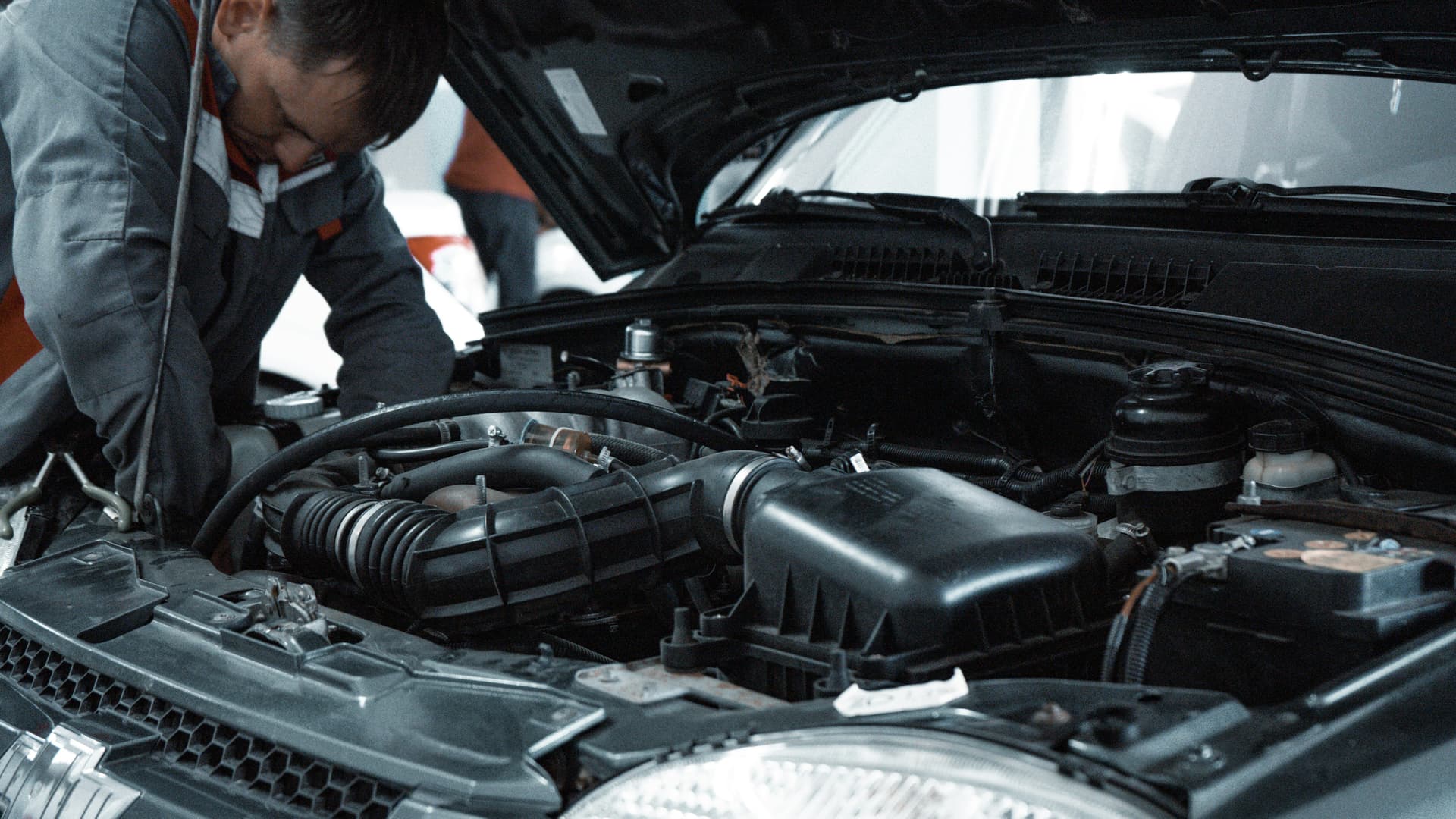
When the temp gauge climbs, a stuck thermostat and a tired radiator are two of the usual suspects. The symptoms can feel the same from the driver's seat. The repairs aren't. Knowing the difference helps you talk to a shop without authorizing the wrong part.
Safety First
If the gauge is in the red or you see steam:
- Pull over and shut the engine off
- Don't open the radiator cap while it's hot
- Wait for a full cool-down before checking coolant
- Tow it if symptoms come back. Don't keep driving hot.
What The Thermostat Does
It's a valve between the engine and the radiator. Cold engine? It stays closed so the motor can warm up. Once you're at operating temperature, it opens so hot coolant can reach the radiator and cool down.
Clues It Might Be Stuck Closed
- Overheating soon after you start driving, sometimes within minutes
- Upper radiator hose stays cool while the engine is very hot
- Temp spikes quickly, then maybe drops if the thermostat finally opens
- Heater blows little or no heat if flow is blocked
(A thermostat stuck open usually causes the opposite problem: the engine takes forever to warm up.)
What The Radiator Does
It dumps heat from the coolant into the air passing through its fins. If it's clogged, leaking, or damaged, it can't keep up, even when the thermostat and water pump are fine.
Clues It Might Be The Radiator
- Overheating after longer drives or in traffic as heat builds
- Coolant puddles or crusty residue at the radiator or hose connections
- Reservoir that keeps dropping
- Soft or cracked plastic end tanks, bent fins
- Highway speeds don't really save you
A clogged core might respond to a flush. A cracked tank usually means replacement.
Quick Comparison
- Overheats fast after startup: Often thermostat
- Upper hose cold, engine hot: Strong thermostat clue
- Puddles / low coolant / crusty leaks: More often radiator, hose, or pump
- Overheats mainly at idle in traffic: Could also be the cooling fan
- Slow heat build on long highway trips: Often radiator flow or clogging
These are patterns, not a DIY diagnosis. Water pumps, bad caps, and head gaskets can mimic either one.
Other Parts That Muddy The Waters
A weak radiator cap can't hold pressure, which lowers the boiling point and can cause weird overflow or intermittent overheating. A worn water pump can look like a stuck thermostat because coolant isn't circulating. An internal head gasket leak can overheat you with no puddle at all.
How A Shop Sorts It Out
Expect a pressure test, a thermostat check, a look at radiator flow and tanks, a fan check at idle, and (if needed) a combustion-gas test for a head gasket. Don't replace the radiator "just in case." A clear diagnosis usually saves money.
Repair Vs Replace
- Failed thermostat: Replace the thermostat (and often the gasket or housing)
- Leaking or badly clogged radiator: Replacement is common; repair options are limited on modern plastic-tank units
- Neglected system overall: A full cooling inspection protects the engine
Find a cooling specialist near you.
Related Reading
General information only. Not a substitute for a diagnosis. Follow your owner's manual and talk to a qualified technician when something's wrong.