How to Pressure-Test a Cooling System

RadiatorRepairHub
October 4, 2026
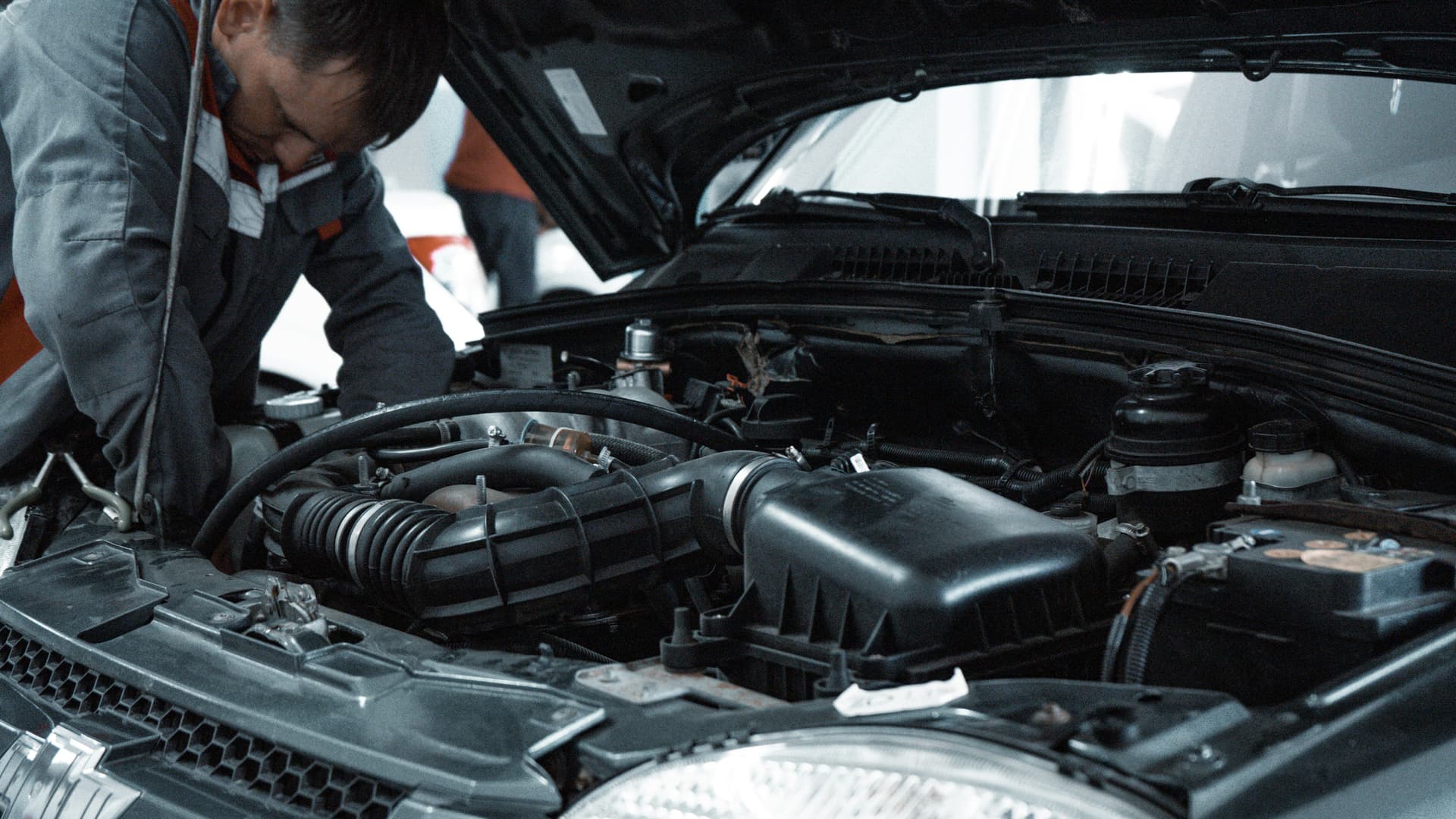
A pressure tester pumps the cooling system up with a hand pump so you can watch for a leak without waiting for the engine to get hot. If the gauge falls and you can find the wet spot, you know where coolant is leaving. If the gauge holds, the leak may be at the cap, or exhaust gas may be getting into the coolant.
These steps are general information, not a repair procedure for your car. If you're unsure, the engine is hot, or the test result is unclear, take it to a radiator shop.
What The Gauge Tells You
The tester pressurizes a cool system to the cap's rated pressure, then you watch the gauge. A steady reading for several minutes usually means the radiator, hoses, and water pump aren't leaking at that pressure. A falling gauge means pressure is escaping. Look for drips at the radiator tanks, hose ends, heater core lines, and the water pump weep hole.
This test won't prove a head gasket is fine on its own. Combustion leaks sometimes show up only while the engine is running. Use a combustion leak detector for that.
How To Run The Test
- Let the engine cool completely. Never pump a hot system.
- Read the PSI on the radiator or reservoir cap, or in the owner's manual. That's your limit. Don't pump past it.
- Use the adapter that actually fits the neck. A loose adapter will look like a leak.
- Fill the system to the normal cold level so you're testing coolant, with as little air in the system as you can.
- Pump slowly to the cap rating and stop. Watch the gauge for several minutes.
- If it drops, look and listen for the leak. If it holds, test the cap on the tool's cap adapter if the kit includes one.
- Release the pressure with the pump's valve before you remove the adapter.
Follow the tester's instructions if the steps differ. Some kits want the cap tested before the system.
When To Hand It To A Shop
Stop if you can't find an adapter that seals, if you're about to go past the cap rating, or if the gauge drops and you can't find a wet spot. A heater core leak often shows up as a sweet smell or a damp passenger carpet instead of a puddle in the driveway.
A falling gauge plus milky oil, white exhaust smoke, or a positive combustion test is past a driveway repair. Search for a radiator shop and tell them what the gauge did.
Related Reading
General information only. Not a substitute for a diagnosis. Follow your owner's manual and talk to a qualified technician when something's wrong.