How to Check Coolant Level (Safely)

RadiatorRepairHub
November 14, 2026
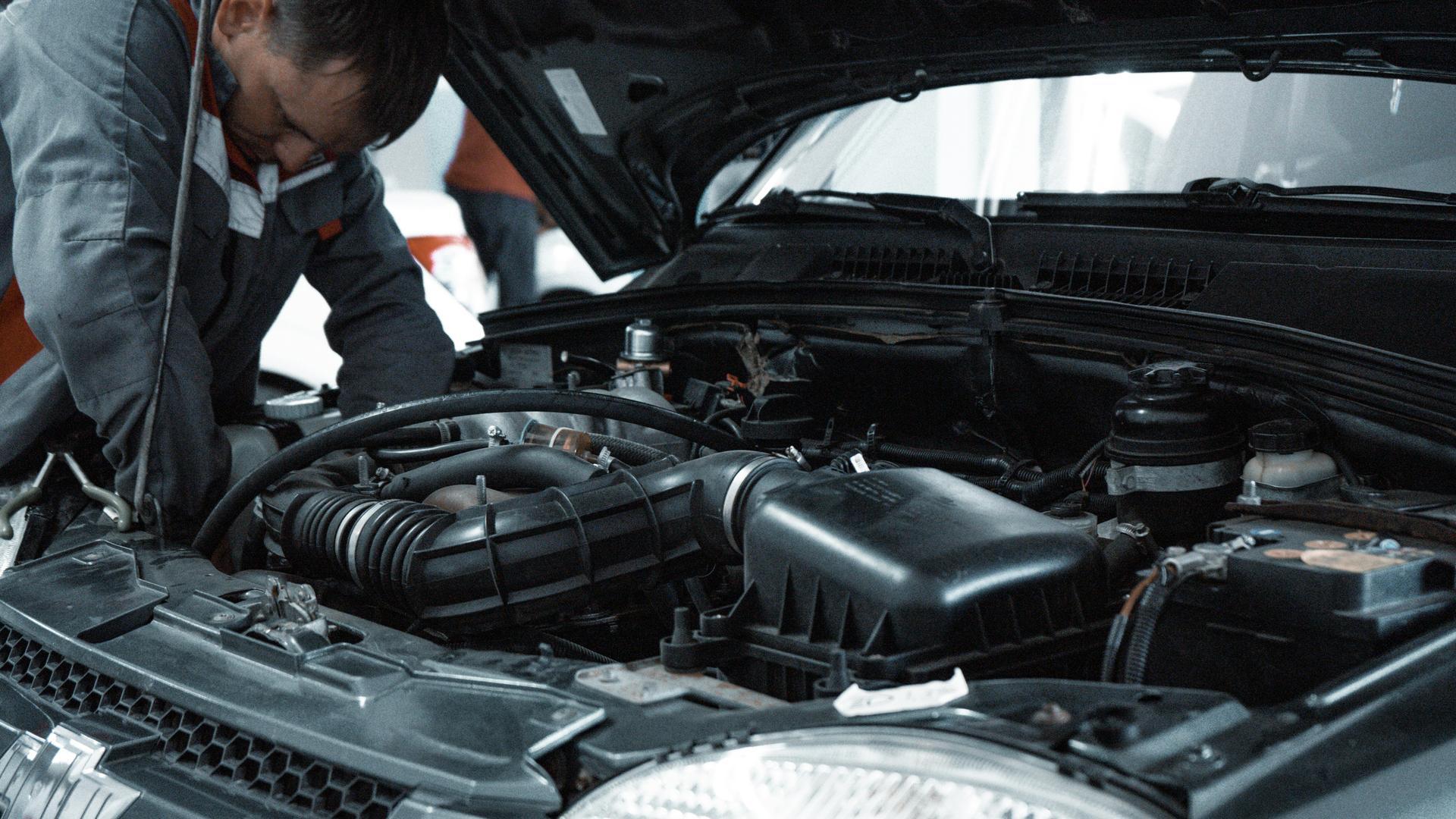
Low coolant is one of the most common reasons a car overheats or loses cabin heat. Checking the level is simple when the engine is cold. Doing it on a hot system can burn you and give a false reading.
This is general information, not a repair procedure for your exact vehicle. If you are unsure, see steam, or keep losing fluid, take it to a radiator shop.
Safety First
Never open a radiator cap or a pressurized reservoir on a hot engine. Wait until the engine is completely cool—usually several hours after driving. Hot coolant under pressure can cause serious burns.
Park on level ground so the level marks mean something. Check the owner's manual for where your car is filled. Many newer vehicles fill only at the overflow tank, not at the radiator neck.
Where To Check
- Pressurized overflow / expansion tank (most modern cars). Look for translucent plastic with MIN/MAX or COLD/HOT marks on the side.
- Radiator fill neck (older vehicles and some trucks). Only open when cold. Coolant should sit near the neck or the mark in the manual—not empty, not overflowing.
- Separate overflow bottle on some older designs. That bottle may not be pressurized; the radiator still holds the main level.
If you cannot find the tank, do not guess. The manual or a shop can point you to the right reservoir.
How To Check Coolant Level
- Let the engine cool completely.
- Find the coolant reservoir or radiator fill point in the owner's manual.
- Read the level against the cold marks without opening anything first if the tank is translucent.
- If you must open a cap, wrap a rag around it, turn slowly to the first stop, and let any residual pressure escape before removing it fully.
- Top off only with the coolant type your manual specifies—or the correct premix. Color is not a reliable guide. Do not mix chemistries to empty an old jug.
If the level is below MIN when cold, add fluid until it sits between MIN and MAX. Recheck after a short drive and another full cool-down.
For a cleaner refill after a hose or thermostat job, see How to Top Off Coolant With a Funnel.
What Low Coolant Usually Means
- A slow external leak (hose, radiator, water pump, heater core, or cap)
- A recent service that was not bled or topped correctly
- An internal problem (less common)—milky oil, sweet white exhaust, or unexplained loss with no puddle
Topping off hides the symptom. It does not fix the leak. If you are adding coolant more than once in a while, ask a shop for a pressure test. Also read How to Spot a Radiator Leak and Coolant Leak Under Car.
When To Stop DIY And Call A Shop
- The temperature gauge climbs or a warning light comes on
- You see steam, a large puddle, or coolant pouring out
- The level drops again within a day or two
- You smell coolant inside the cabin or the windows fog with a sweet smell (possible heater core leak)
Use the radiator repair cost estimator for local ballparks, then compare shops on a radiator shop listings page or a city hub such as radiator repair in Florida.
Related Reading
- How to Top Off Coolant With a Funnel
- Why Is My Car Overheating?
- Radiator Flush: What to Expect & Cost
- Heater Core Replacement Cost
- Radiator Repair Cost Estimator
General information only. Follow your owner's manual and talk to a qualified technician for diagnosis and repairs.
Related guides
- How to Check Coolant for Exhaust Gas (Block Test)
Use a combustion leak detector to check for exhaust in coolant, what a color change means, and why a positive result means stop driving and see a shop.
- How to Top Off Coolant With a Funnel
How a spill-free coolant funnel helps you refill and burp a cooling system, which coolant to use, and when to stop and see a shop.
- How to Use an Infrared Thermometer on an Overheating Car
How to compare radiator, hose, and thermostat temperatures with an infrared thermometer, and what those readings can and cannot prove.
Find local help
Compare radiator shops by state, or check typical repair costs before you call.