How to Replace a Radiator Cap

RadiatorRepairHub
October 4, 2026
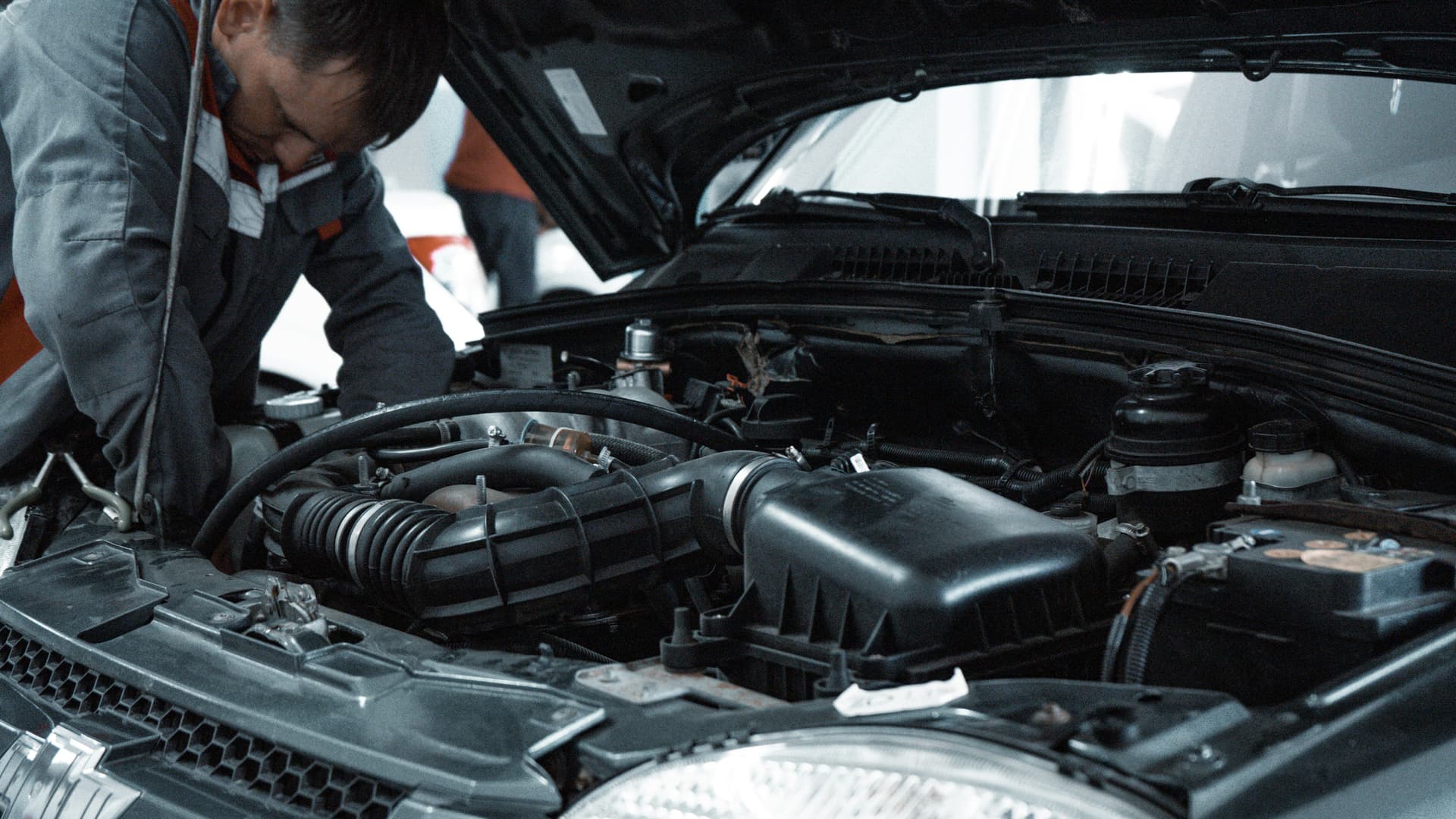
A radiator cap is a pressure valve. The spring inside holds the cooling system at a set PSI so coolant can run hotter without boiling. A weak or wrong cap can overflow the tank, collapse a hose, or let the engine overheat even when the radiator looks fine.
These steps are general information, not a repair procedure for your car. If you're unsure, the engine is hot, or a new cap doesn't stop the coolant loss, take it to a radiator shop.
Match The Cap Before You Buy
Read the PSI rating on the old cap or in the owner's manual. A 16 psi cap doesn't belong on a system designed for 13, and a 13 doesn't belong on a system designed for 16. Closed cooling systems that fill at a pressurized tank use a different cap than an open radiator neck. The cap and the neck have to be the same style.
Also look at the sealing surface. Nicks, rust, or a warped plastic neck will leak even with a new cap.
How To Replace It
- Wait until the engine is completely cool. Do not open a hot cap.
- Compare the new cap's pressure rating and style to the old one and the manual.
- Twist the old cap off slowly. If you hear a hiss while the engine is cool, stop and let it sit longer.
- Wipe the neck. Install the new cap until it locks.
- If coolant spilled or the level was low, top off with the coolant spec in the manual and bleed air if the system was opened. A spill-free funnel helps with that.
- After a drive and a full cool-down, check for overflow and confirm the temp gauge stays normal.
When A New Cap Is Not Enough
A cap won't seal a cracked tank, a split hose, a failing water pump, or a head gasket. If the system still won't hold pressure, get a cooling-system pressure test instead of pouring in stop leak.
Shops often replace the cap during a hose job or a flush because the part is cheap next to an overheat. If you've already swapped the cap and coolant is still disappearing, find a shop and ask them to test the system and the cap separately.
Related Reading
- Radiator Cap Symptoms & Replacement
- How to Pressure-Test a Cooling System
- How to Top Off Coolant With a Funnel
General information only. Not a substitute for a diagnosis. Follow your owner's manual and talk to a qualified technician when something's wrong.