Radiator Cap Symptoms & Replacement

RadiatorRepairHub
July 15, 2026
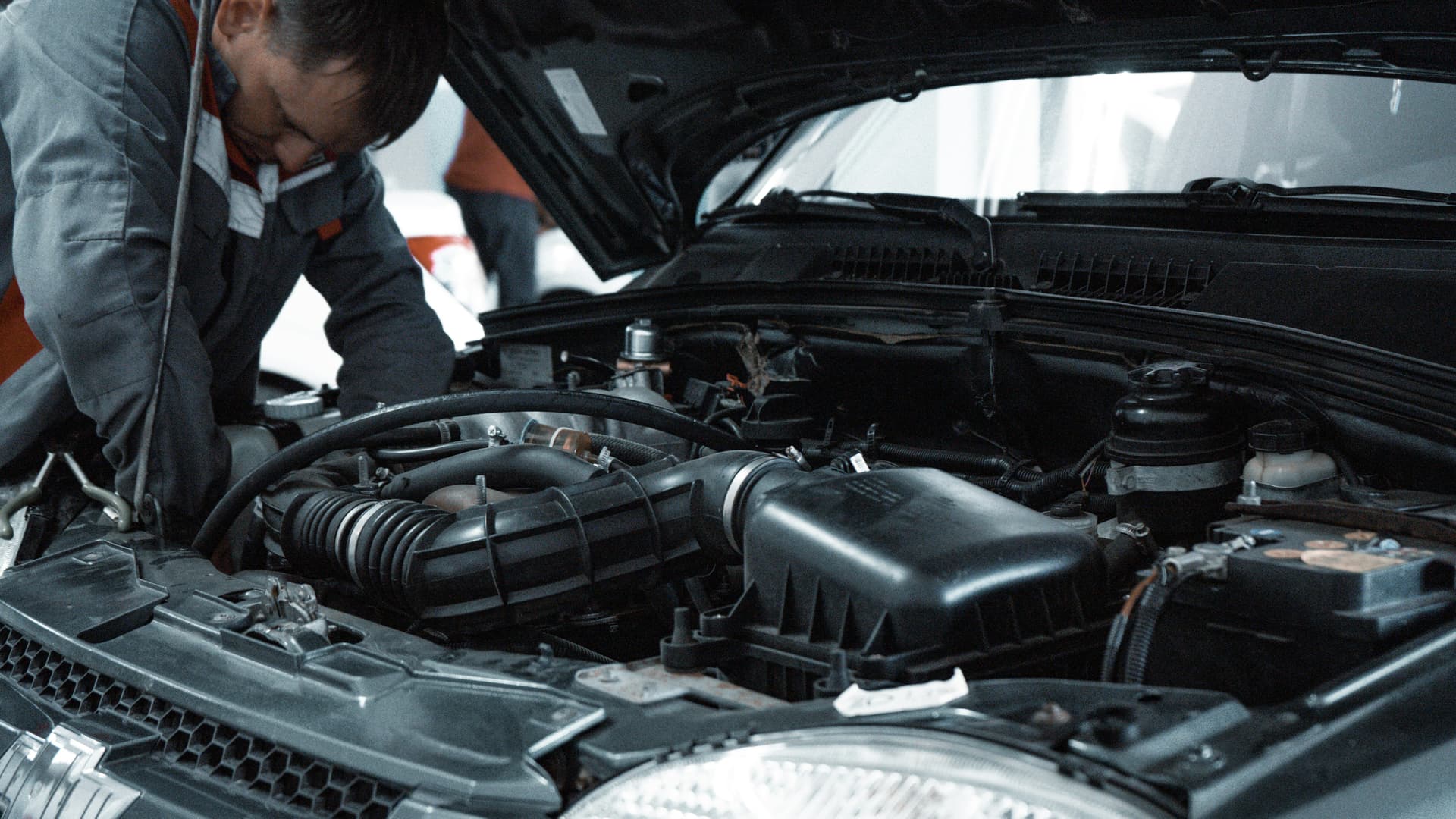
The radiator cap is easy to ignore until it fails. It's a small part that keeps the cooling system sealed and under pressure so coolant can run hotter without boiling. When the cap gives up, you can get odd overheating, mysterious overflow, or a "low coolant" light even when the radiator and hoses look fine.
What The Cap Actually Does
Most radiator or reservoir caps have a spring-loaded valve rated to a specific PSI for your vehicle. Under pressure, coolant's boiling point rises. The cap also lets fluid expand into the overflow bottle and return as things cool down.
A weak spring, chewed-up seal, or wrong-rated cap can't hold that pressure.
Symptoms Of A Bad Cap
- Coolant overflowing from the reservoir or filler neck after short drives
- Temp gauge rising for no obvious reason, especially under load
- A hose that collapses or goes soft on cool-down (on some designs)
- A system that won't hold pressure on a shop test, with no wet hose or radiator to blame
- Hissing or steam near the cap
- Frequent top-offs without a clear puddle
Those symptoms can also mean a radiator, hose, thermostat, or head gasket problem. That's why shops pressure-test both the system and the cap.
Safety Note
Never yank the radiator or pressurized reservoir cap on a hot engine. Wait until everything is completely cool. Hot coolant under pressure is a serious burn risk.
Why Shops Replace Caps Early
A new cap is cheap. Ignoring a bad one can lead to localized boiling, overflow that empties the system, and overheating that stresses head gaskets. Plenty of shops toss a new cap on during a hose job, radiator swap, or flush, and it's usually money well spent.
Cap Replacement Basics
- Get the correct pressure rating and style for your vehicle (radiator-neck vs closed reservoir systems differ)
- Check the sealing surface for nicks, rust, or warped plastic
- Use a quality OE-spec or solid aftermarket cap
- Refill and bleed if air got into the system
- Recheck for leaks and confirm the gauge stays normal
Typical cost is often $15–$50 for the part, with little labor if it's done alone.
When A New Cap Isn't Enough
Replacing the cap won't fix a cracked radiator tank, a dying water pump, a stuck thermostat, or a blown head gasket. And stop leak is not a substitute for either a bad cap or a real leak.
If you keep losing coolant after a fresh cap, ask for a full cooling system pressure test.
Related Reading
General information only. Not a substitute for a diagnosis. Follow your owner's manual and talk to a qualified technician when something's wrong.