Radiator Fan Not Working: Symptoms and Repair

RadiatorRepairHub
July 15, 2026
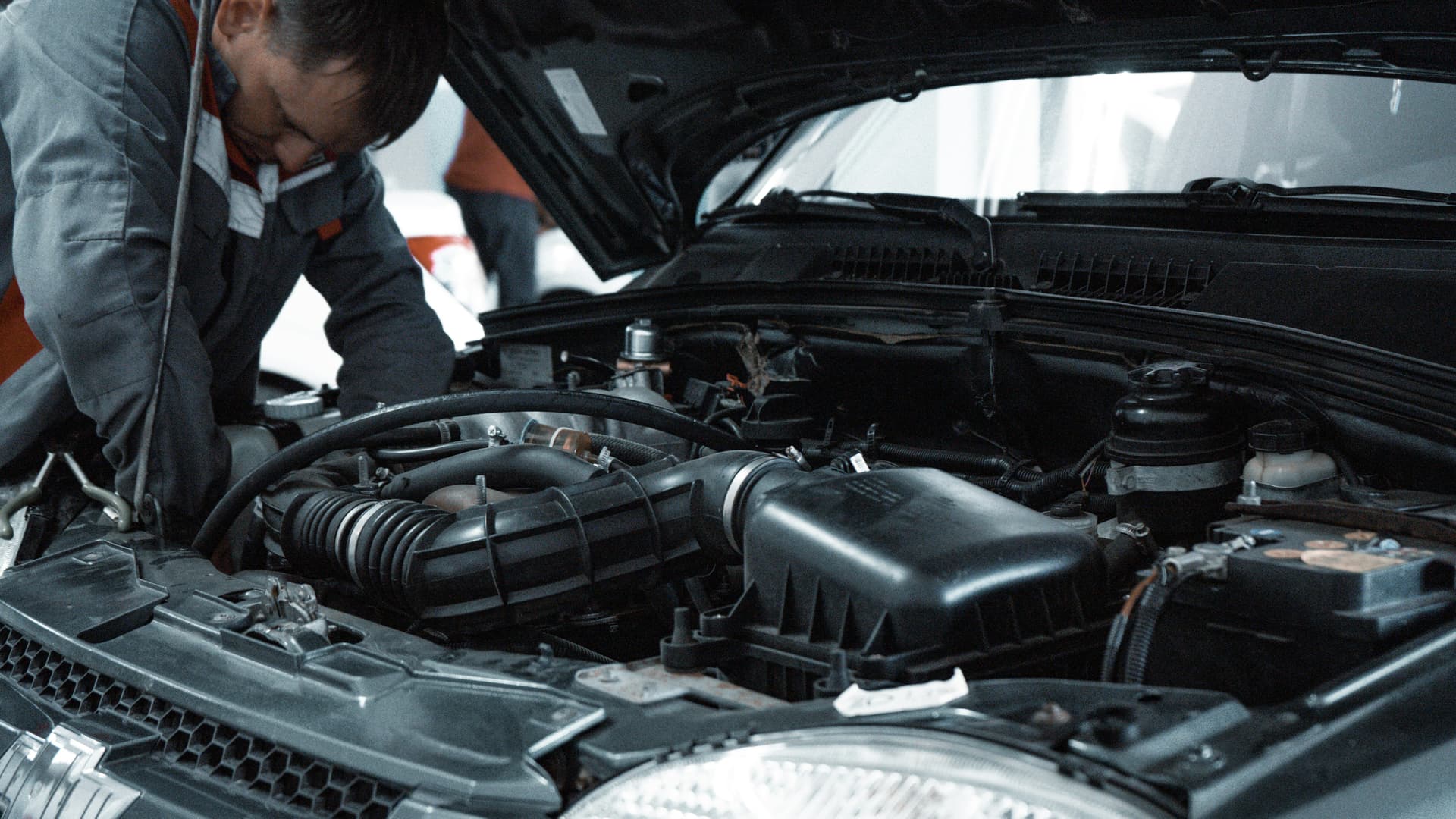
Your radiator fan earns its keep when you're sitting still. At highway speeds, air rushes through the grille on its own. In traffic or at idle, the fan has to pull (or push) air through the radiator. When it dies, the classic pattern shows up: fine on the freeway, cooking in stop-and-go.
If the gauge is climbing right now, pull over and shut it down. Don't open a hot radiator cap.
How The Fan Works (Quick Version)
Most modern cars use an electric fan, or a pair of them, controlled by a temperature sensor, the engine computer, and a relay or fan module. Older vehicles may use a belt-driven clutch fan.
When coolant gets hot (or when the A/C is on), the fan should kick in.
Signs The Fan Isn't Doing Its Job
- Overheating in traffic or at idle, cooler temps at highway speeds
- Fan blades never spin when the engine is hot
- A/C that goes warm in traffic (high-side pressures climb without airflow)
- Temp warning light mostly in city driving
- No fan sound when you'd expect it
Those symptoms can overlap with radiator or thermostat problems, so diagnosis still matters.
Common Causes
- Dead fan motor. Bearings seize or the motor burns out.
- Blown fuse or bad relay. Power never reaches the fan.
- Bad coolant temp sensor. The computer never asks for the fan.
- Wiring or connector issues. Corrosion, broken wires, chewed plugs.
- Failed fan control module. Common on some designs.
- Clutch fan failure. This shows up on older belt-driven setups.
Debris jammed in the shroud can lock the blades too. Don't stick your hand in a fan that might start suddenly.
What Not To Do
- Keep driving in traffic hoping the gauge "levels out"
- Assume a coolant flush will revive a dead fan (that's fluid circulation, not airflow)
- Pour stop leak into an overheating problem and call it fixed
A bad fan can cook the radiator and the engine if you ignore it long enough.
How Shops Diagnose It
A tech will usually command the fan on with a scan tool (or confirm it should be running), check fuses/relays/voltage at the connector, inspect wiring and the temp sensor, and make sure the radiator and thermostat aren't also part of the story.
Ballpark Repair Cost And Time
Once diagnosis is clear (always get a written quote for your car):
- Fuse or relay: Often under an hour; roughly $20–$150
- Temp sensor: Moderate; diagnose first so you don't replace the fan for nothing
- Fan motor / assembly: About 1–3 hours, roughly $250–$600+; dual-fan or hard-to-reach setups can run higher
- Clutch fan: Varies a lot on older trucks and SUVs
After The Repair
Confirm the fan runs when it should, the gauge stays normal in traffic, nothing's leaking from the job, and the coolant level is right. If overheating continues, the shop should recheck the radiator, thermostat, and for internal leaks.
Find a shop that handles cooling fans.
Related Reading
- Why Is My Car Overheating?
- Thermostat vs Radiator: What's Causing Overheating?
- Radiator Repair Cost Guide
General information only. Not a substitute for a diagnosis. Follow your owner's manual and talk to a qualified technician when something's wrong.